![[Action required] Your RSS.app Trial has Expired.](https://8v.com/info/wp-content/uploads/2026/01/rss-app-cfAqZL-75x75.png)






With retail access restored, crypto exchange-traded notes issuers slash fees to historic lows, signaling an intensifying battle for UK market dominance.
News
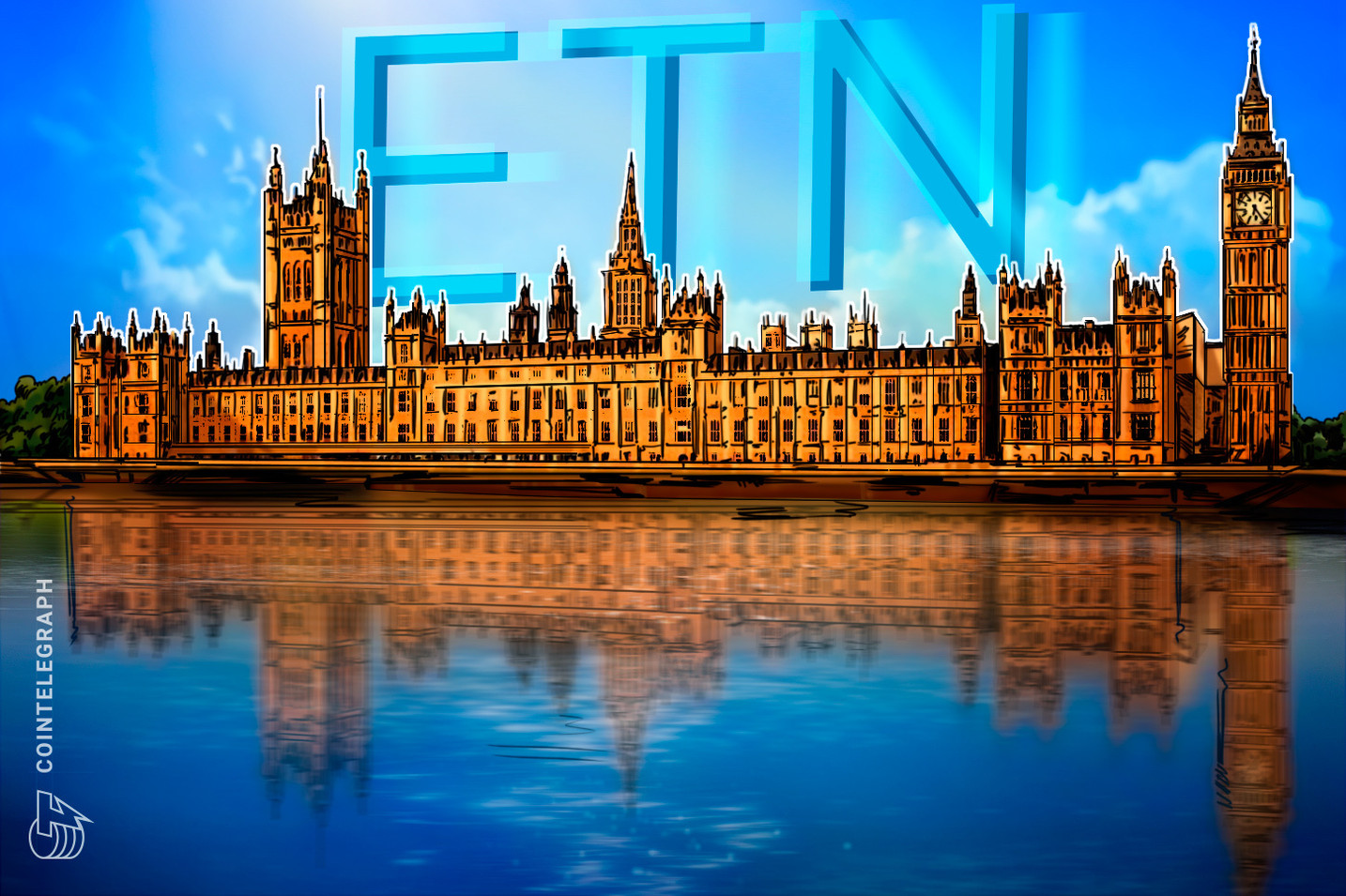
The United Kingdom has opened the floodgates for crypto exchange-traded notes (ETNs) to retail investors — a market that was previously limited to professional traders — sparking a price war among issuers vying for market share, according to the Financial Times.
In a published on Thursday, the FT said several Bitcoin ETN issuers have slashed their fees to as low as 0.05%, describing the resulting competition as a “cut-throat battle” for investors. Meanwhile, other crypto-linked ETNs continue to charge annual fees of up to 2.5%.
The fee war follows the Financial Conduct Authority’s (FCA) on retail access to crypto-linked funds, a change that took effect on Oct. 8.
At the time of the policy reversal, Ian Taylor, board adviser at trade association CryptoUK, : “We are delighted to see this reversal,” highlighting the “progress we’ve made toward introducing a more proportionate approach to consumer risk.”

Among the newly accessible ETNs are 21Shares’ Core Bitcoin and Ethereum Core Staking ETPs, which have had their fees reduced to 0.1%; Fidelity’s Physical Bitcoin ETP, now charging 0.25%; and CoinShares’ Physical Staked Ethereum ETP, which currently carries no management fee.
Related:
The FCA rule change also forms part of a broader effort to revive the United Kingdom’s waning position in global crypto adoption.
One of the key flashpoints has been the treatment of stablecoins after industry participants pushed back against the Bank of England’s (BoE) proposals to impose strict corporate holding limits.
According to Bloomberg, the amid growing concern that the United States is pulling ahead following the passage of the GENIUS Act, which aims to provide clearer rules for stablecoin issuers.
BoE Governor Andrew Bailey has also moderated his tone in recent months, that private stablecoins could pose a threat to financial stability. Instead, he has acknowledged the technology’s potential for innovation and its growing role within the financial system.
Related:
![[Action required] Your RSS.app Trial has Expired.](https://8v.com/info/wp-content/uploads/2026/01/rss-app-cfAqZL-350x250.png)