


ZKsync says the first Ethereum zero-knowledge rollup blockchain will have an “orderly sunset” next year, as it has served its purpose.
News
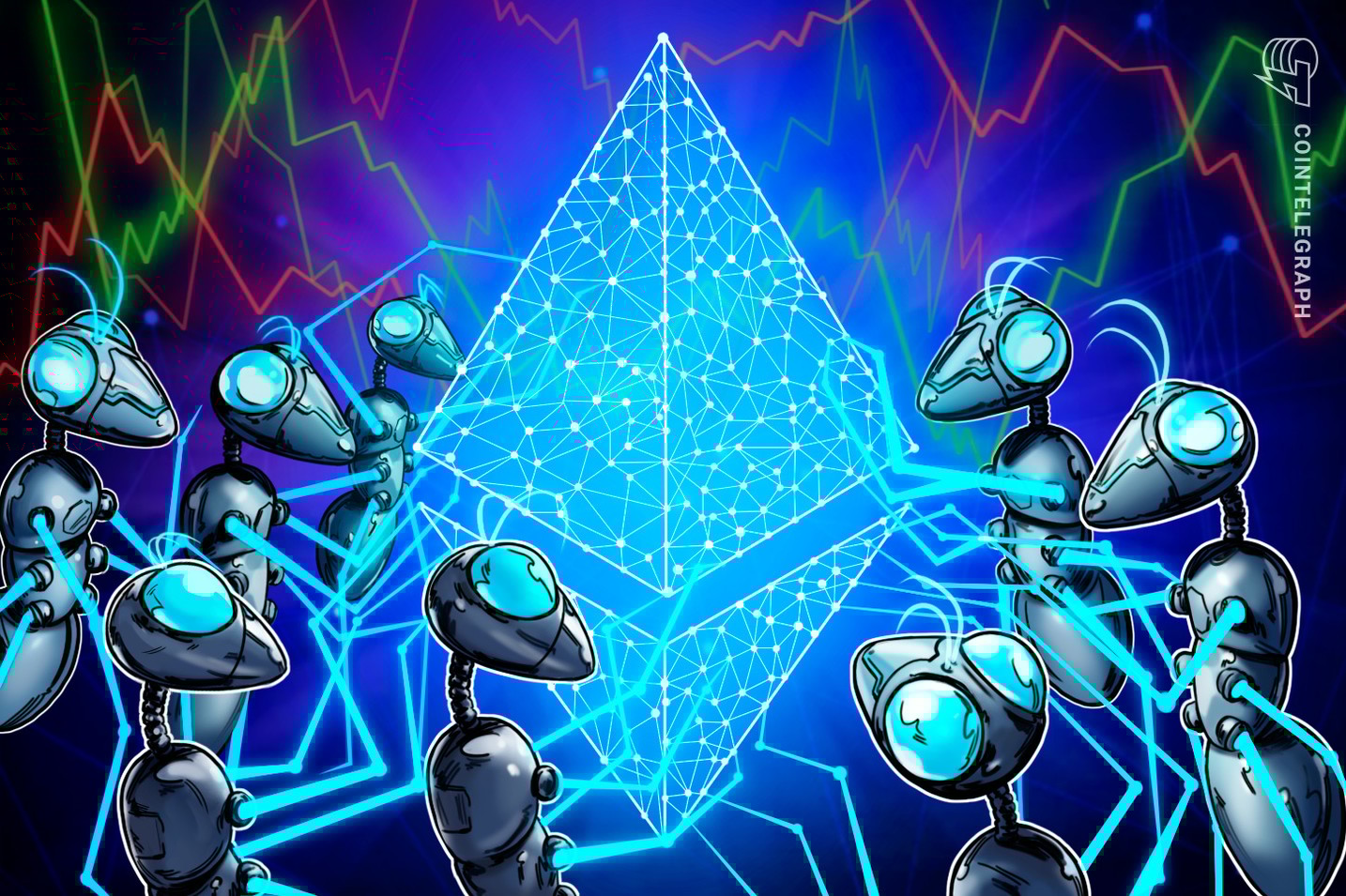
ZKsync Lite, the first-ever zero-knowledge (ZK) rollup network to launch on Ethereum, will be deprecated next year, its team says, as it has fulfilled its purpose.
“In 2026, we plan to deprecate ZKsync Lite (aka ZKsync 1.0), the original ZK-rollup we launched on Ethereum,” ZKsync to X on Sunday. “This is a planned, orderly sunset for a system that has served its purpose and does not affect any other ZKsync systems.”
It added that ZKsync Lite “was a groundbreaking proof-of-concept and validated critical ideas related to building production ZK systems.”
“It did its job: prove what’s possible and pave the way for the next generation.”
Technology company Matter Labs in 2020, designing it for fast transfers and minting non-fungible tokens (NFTs). However, it didn’t support , which limited its use.

The network was the first to use that instantly proved if a transaction was valid, before transactions were bundled up and sent to the Ethereum mainnet for final validation.
Matter Labs stopped development on ZKsync Lite in early 2023 after launching its zero-knowledge (zkEVM) that supported smart contracts, ZKsync Era.
ZKsync said that no immediate action was required from ZKsync Lite users, and the network is operating as usual. “Funds remain safe, and withdrawals to L1 will keep working through the process,” it added.
Its other products are similarly unaffected, and the team said it would share “concrete details, dates, and migration guidance soon” for ZKsync Lite.
Related:
Just under $50 million is currently bridged to the network, to DefiLlama, but L2BEAT data it has only seen just over 330 user operations in the past day.
By comparison, DefiLlama ZKsync Era has a total value locked in decentralized finance of $36.4 million, with L2BEAT it has seen over 22,000 user operations over the past day.
The ZKsync blockchain may undergo further changes. Last month, co-creator Alex Gluchowski its ZKsync () governance token to prioritize “economic utility,” tying the token to the network’s fees.
Magazine:
![[Action required] Your RSS.app Trial has Expired.](https://8v.com/info/wp-content/uploads/2026/01/rss-app-cfAqZL-350x250.png)