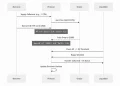




The Solana overhaul is expected to decrease transaction finality to 150 milliseconds — increasing the speed by about 100-fold.

News
After a two-week governance process in which more than half of validators cast votes, Solana is set to be upgraded using the Alpenglow consensus protocol.
According to the results of the governance process released on Tuesday, more than 98% yes to approve the new consensus protocol for Solana, with a 52% stake participating.
The Alpenglow upgrade is to reduce the transaction finality to 150 milliseconds from more than 12 seconds, significantly overhauling the ecosystem.
“At these speeds, Solana could realize Web2-level responsiveness with L1 finality, unlocking new use cases that require both speed and cryptographic certainty,” the Solana Foundation in an Aug. 21 blog post, adding: “The compounding effect of these initiatives and the many others in the Solana ecosystem is financial infrastructure that operates at internet speed.”
Alpenglow’s components, called Votor and Rotor, will effectively replace Solana’s TowerBFT and proof-of-history, respectively. Votor is expected to significantly cut down on transaction finality, while Rotor will replace the proof-of-history timestamping system and reduce the time required for data transfers between validators.
Related:
The governance process, which , required a quorum threshold of 33% of votes to be considered. About 1% voted not to implement Alpenglow, while 0.69% abstained.
In March, the Solana Policy Institute, bringing together “leading voices from across the Solana ecosystem,” of educating policymakers on blockchain applications. The organization is one of many US-based groups that may be on crypto and blockchain.
Since its launch, the organization of Tornado Cash co-founders Roman Storm and Alexey Pertsev. Storm was out of the three he had been facing in August, and it was unclear at the time of publication whether prosecutors would move for a retrial.
Magazine:
![[Action required] Your RSS.app Trial has Expired.](https://8v.com/info/wp-content/uploads/2026/01/rss-app-cfAqZL-350x250.png)