![[Action required] Your RSS.app Trial has Expired.](https://8v.com/info/wp-content/uploads/2026/01/rss-app-cfAqZL-75x75.png)






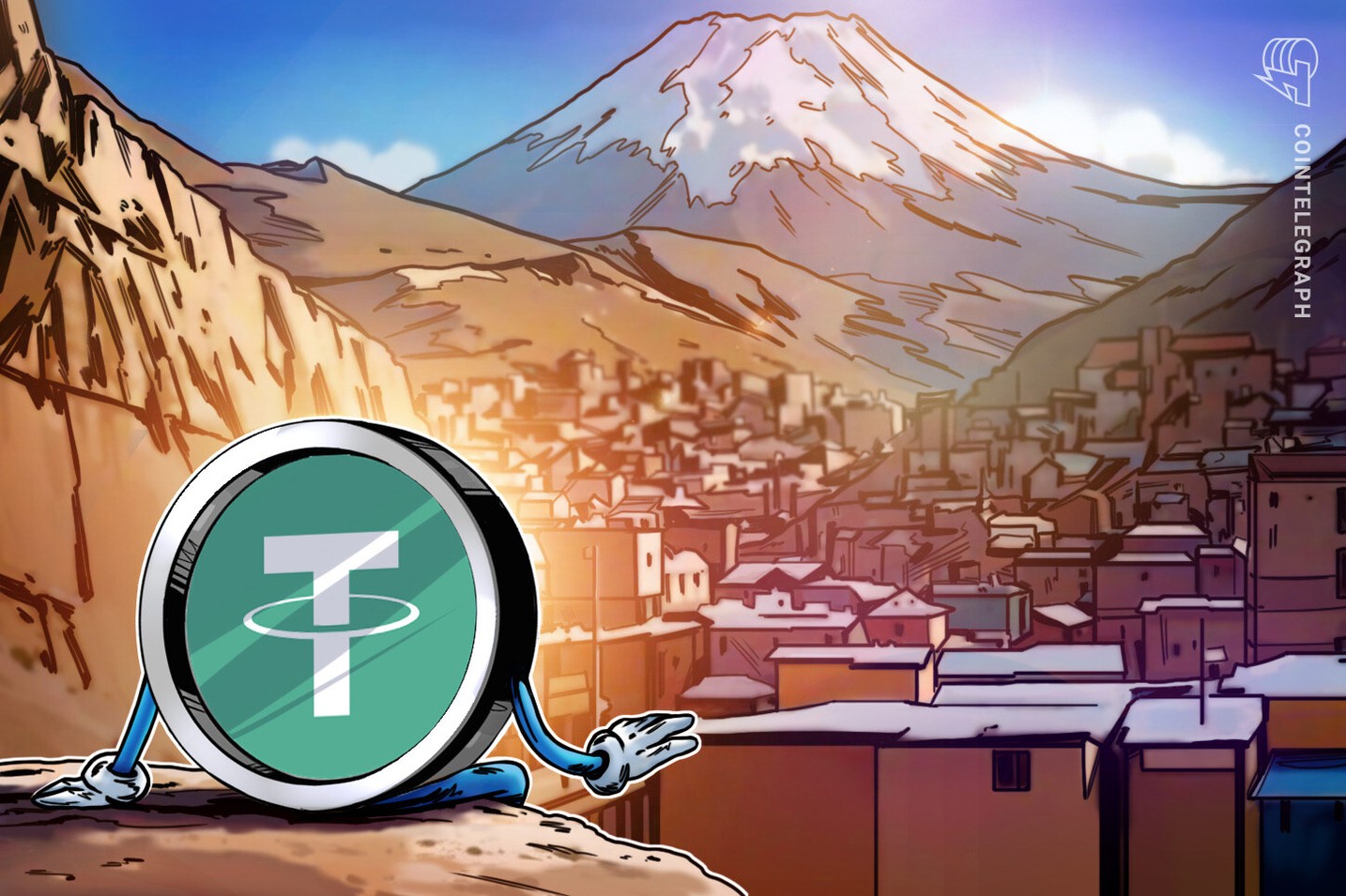
Tether is now being accepted for payments at Toyota, Yamaha and BYD in Bolivia as businesses increasingly turn to stablecoins to navigate the country’s US dollar shortage.
News
Three major international vehicle manufacturers have started accepting a Tether in Bolivia to navigate its collapsing US dollar reserves, marking a major step in the Latin American country’s crypto adoption.
Tether CEO Paolo Ardoino that Toyota, Yamaha, and BYD are taking Tether () for payment on Sunday, while crypto security firm BitGo the first Toyota was purchased in Bolivia with USDT on Saturday.
Pictures shared by Ardoino show a dealership displaying signs that advertise USDT as an “easy, fast, and safe” payment option for car purchases.
BitGo said it partnered with Tether and Bolivia Toyota to assist it with self-custody while ensuring the transactions run smoothly

Bolivia was one of Latin America’s last crypto n bholdouts until June 2024, when it lifted its and allowed banks to process Bitcoin () and stablecoin transactions.
One of the first big adoption stories came in March when Bolivian state-owned oil and gas firm Yacimientos Petrolíferos Fiscales Bolivianos received government approval to for fuel imports as a solution to the country’s deepening US dollar shortages.
Bolivia’s foreign exchange reserves have a staggering 98% from $12.7 billion in July 2014 to $171 million this August, Trading Economics data shows. The Bolivian boliviano remains the most widely used currency in Bolivia; however, fears over it losing purchasing power have pushed many locals to prefer more stable alternatives like the or, in some cases, crypto.
even called crypto a “viable and reliable alternative” to fiat currencies while signing a memorandum with El Salvador to accelerate crypto adoption in late July.

Meanwhile, Bolivian at airports have been in USDT as a way to navigate the currency crisis.
Bolivian businesses are relying on stablecoins for international trade
Bolivian businesses that import products have also been using USDT to work around US dollar shortages, TowerBank’s head of digital assets, Gabriel Campa, Bitfinex last Tuesday.
Related:
They buy stablecoins locally or via convert them to US dollars, and pay overseas suppliers. Some of these products are then listed in USDT, enabling a stablecoin circular economy to keep trade and operations running, he said.
Bolivia’s crypto market surged, daily USDt liquidity grew from $20K to nearly $1M in under a year. explains why is focused on this growth and helping re-establish trade connections.
— Bitfinex (@bitfinex)
Bolivia’s future will be decided in October
Bolivia will hold a run-off vote between Rodrigo Paz Pereira’s Christian Democratic Party and Jorge “Tuto” Quiroga’s Freedom and Democracy alliance on Oct. 19.
To tackle corruption, Paz Pereira has implementing blockchain technology for greater transparency, while Quiroga’s stance on crypto is less clear.
The winning party will lead Bolivia after nearly two decades under the Movement for Socialism, which has borne much of the blame for the country’s current economic crisis.
Magazine:
![[Action required] Your RSS.app Trial has Expired.](https://8v.com/info/wp-content/uploads/2026/01/rss-app-cfAqZL-350x250.png)