![[Action required] Your RSS.app Trial has Expired.](https://8v.com/info/wp-content/uploads/2026/01/rss-app-cfAqZL-75x75.png)






US President Donald Trump has flown to South Korea to meet Chinese leader Xi Jinping to resolve trade tensions between the world’s two superpowers.
News
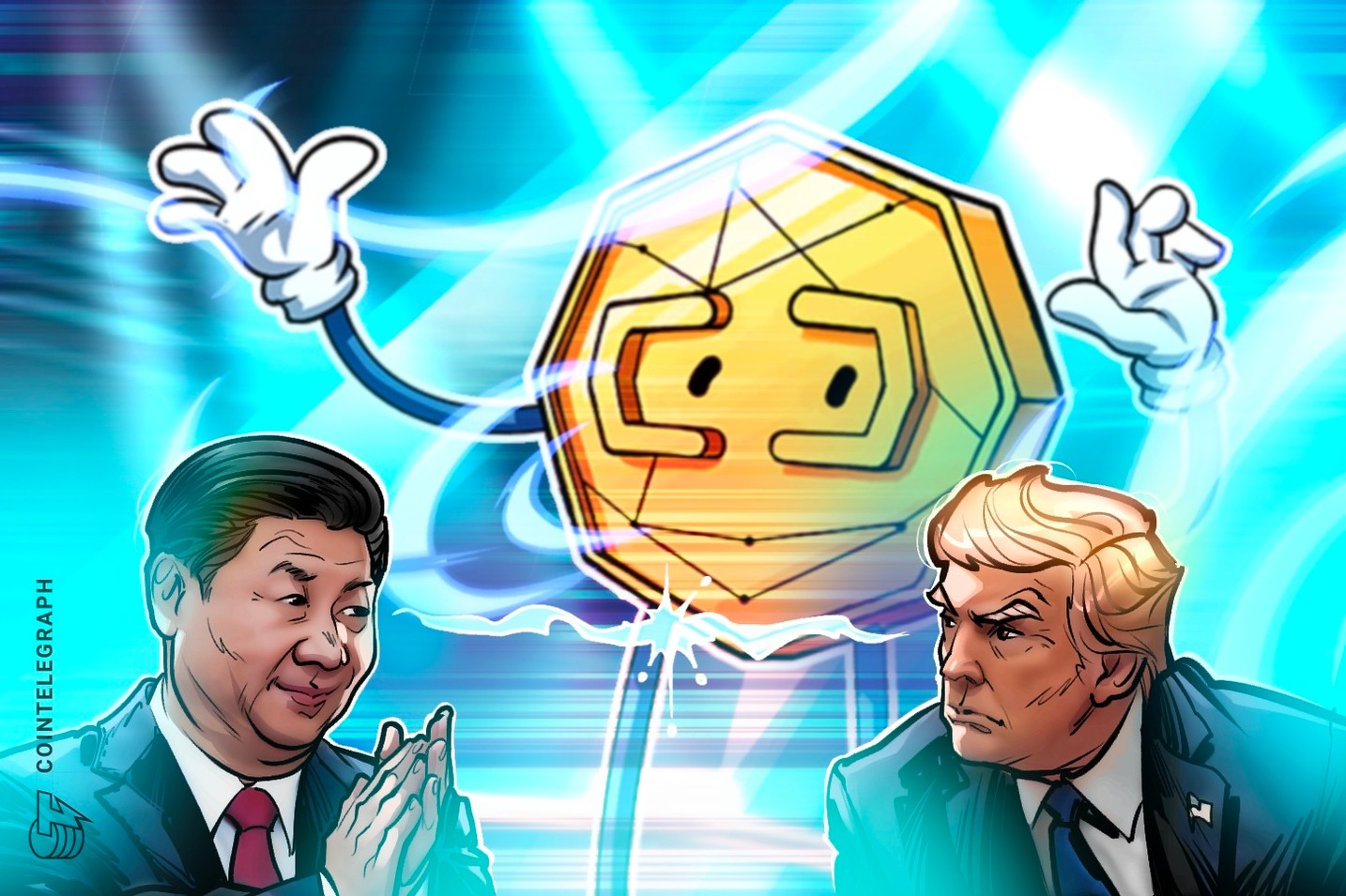
US President Donald Trump and Chinese Communist Party leader Xi Jinping have met face-to-face in South Korea to stabilize relations and resolve tariff tensions.
Before the bilateral meeting, Trump indicated that the parties are stating: “We’ve already agreed to a lot of things and we will agree to some more right now.”
“I think we’re going to have a fantastic relationship for a long period of time,” Trump in a video posted to X by The White House on Thursday. The Rapid Response 47 X account that the meeting has since wrapped up.
President Donald J. Trump meets with Chinese President Xi Jinping in South Korea.
“I think we’re going to have a fantastic relationship for a long period of time, and it is an honor to have you with us.”
— The White House (@WhiteHouse)
Trump’s use of tariffs since returning to the White House, combined with China’s retaliatory limits on exports of rare earth elements, has fueled fears of an economic slowdown, with some of the most severe tariff implementations triggering in recent months.
That included the Oct. 10 market crash, which saw Bitcoin () fall from $121,560 to below $103,000.
Reports from mainstream media state that neither the US nor China wants to risk destabilizing the world economy, warranting an in-person meeting to decide how to best move forward with the tariffs.
Trump not expected to follow through with recent tariff threat
US officials have signaled that Trump doesn’t intend to follow through with his threat to impose an additional 100% import tax on Chinese goods, while China is expected to ease up export controls on rare earths and potentially buy soybeans from the US.
Tariffs have sparked uncertainty in Bitcoin mining, AI industries
Trump has met in Asia over the last week, including officials in Malaysia, which has become a manufacturing and export hub for headed for the US.
The US currently imposes a tariff on Malaysian exports.
Related:
The tariffs have sparked considerable uncertainty for who rely on imports from Southeast Asia, while rare-earth export limits from China have raised concerns over potential supply chain disruptions for AI hardware.
Magazine:
![[Action required] Your RSS.app Trial has Expired.](https://8v.com/info/wp-content/uploads/2026/01/rss-app-cfAqZL-350x250.png)